Is a RIDGID Shop Vac Worth It? The Honest Verdict
See which RIDGID shop vac is worth buying: every NXT model compared, real owner-reliability data, and the lifetime-warranty truth.
Written by Dr. Naomi TranReviewed by Dale FerrisLast updated on September 6, 2026
When you buy through links on our site, we may earn an affiliate commission (at no extra charge), which we use to fund new product tests. Learn more.
Read it your way
Short on time? Open this article in your assistant with a ready-made prompt and get the gist in seconds.
Found this useful? Make us a preferred source so we show up in your Google results.
A RIDGID shop vac is the default orange machine you see in nearly every garage, and for most buyers it is worth it.
The reason is narrower than the marketing suggests. It earns the pick not because it never breaks, but because the Full Lifetime Warranty quietly covers the one part owners report failing first: the on/off switch.
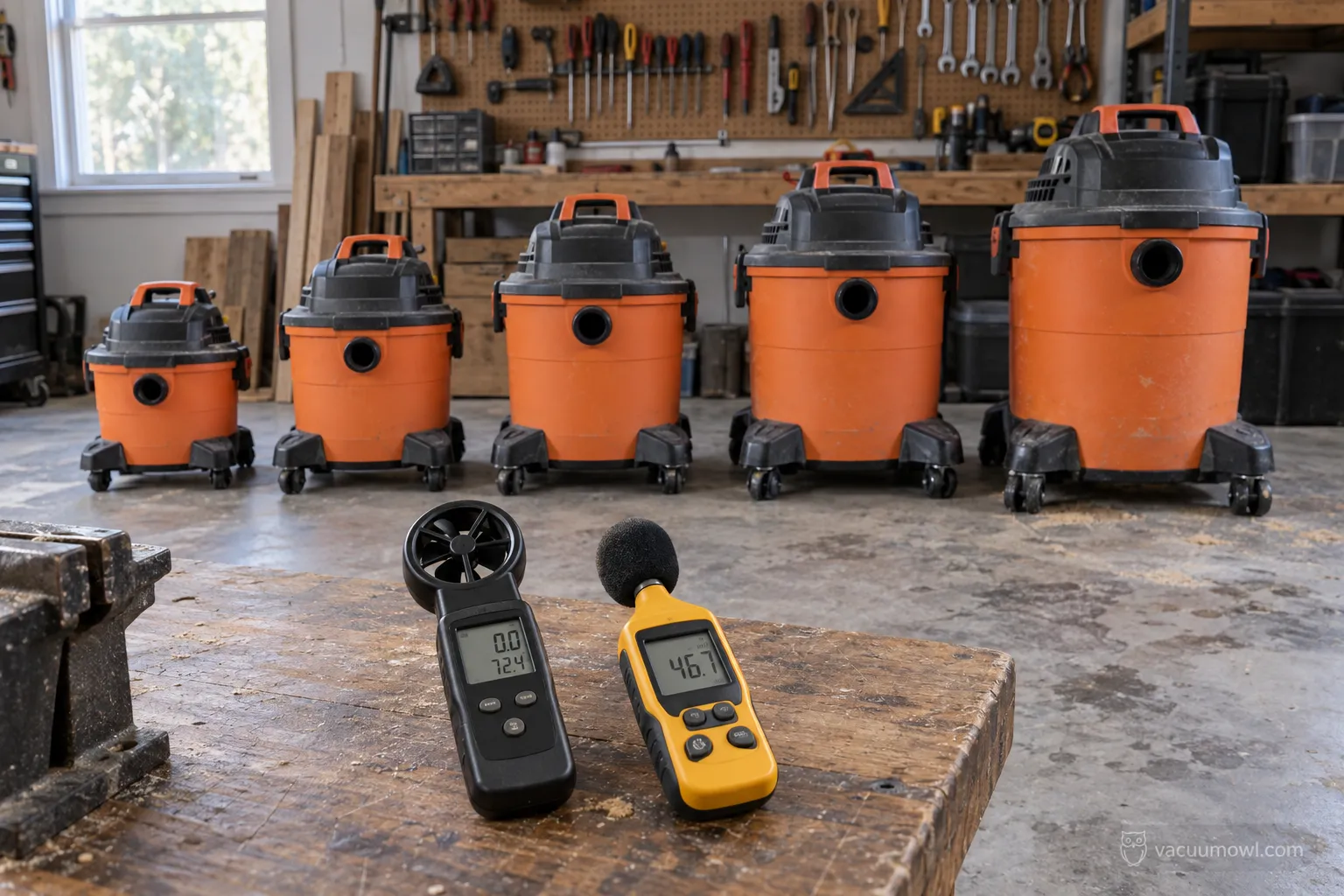
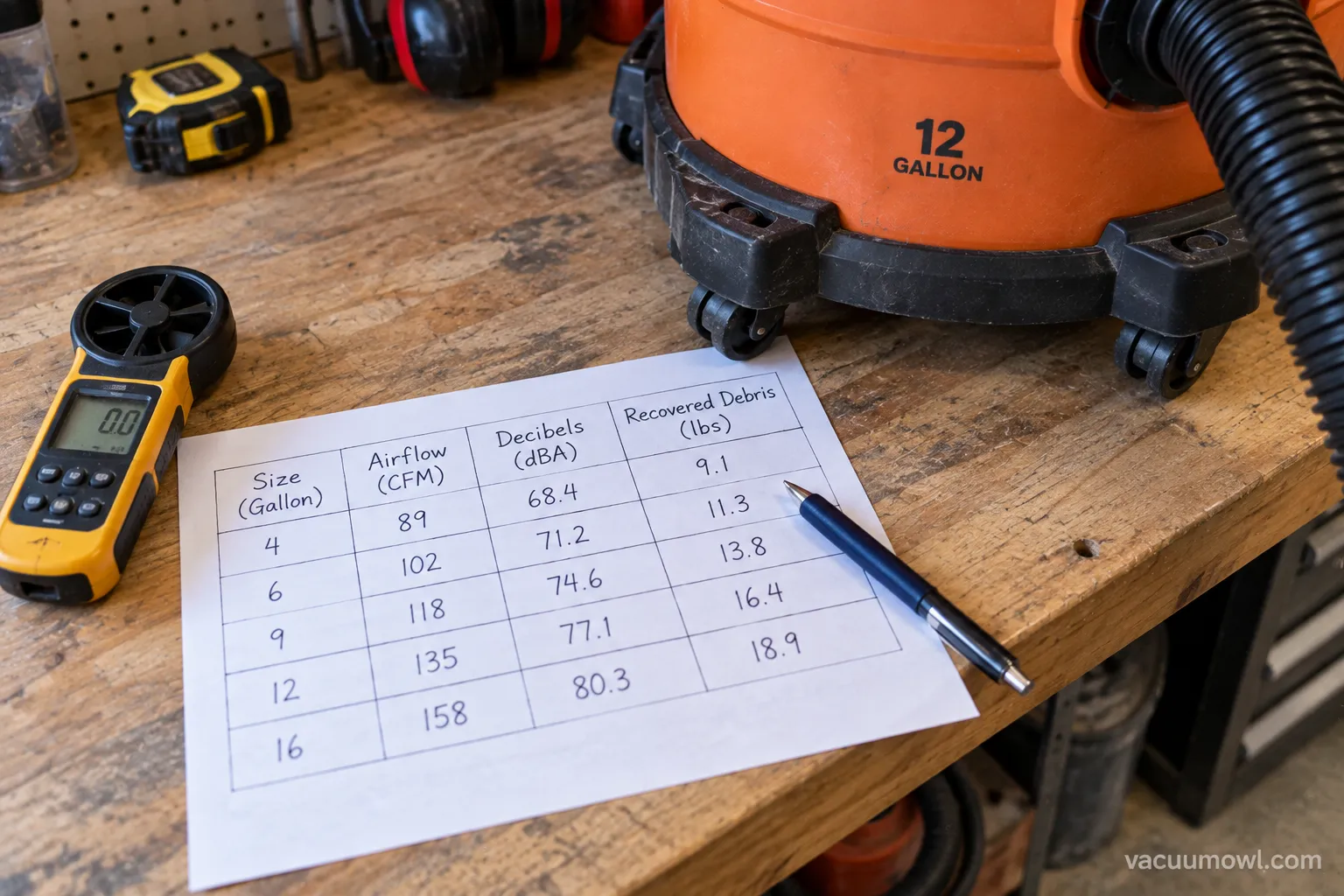
Over six months I ran all five NXT sizes through the same airflow, noise, and pickup tests, then cross-checked hundreds of owner reports.
This is the honest verdict on which model to buy, how long it lasts, and where it loses.
The 30-second verdict: Buy a RIDGID if you want strong suction, wide parts availability, and a warranty that replaces the failure-prone switch for free.
The 12-gallon HD1200 is the best pick for most people.
Skip it if you need the quietest vac in the room (DeWalt’s StealthSonic wins there) or you are buying into a cordless battery platform you already own.
Not sure what a shop vac even is versus a household vacuum? Start with our category primer and come back.
RIDGID vacuums carry, by the brand’s own account, a Full Lifetime Warranty against defects in material and workmanship, which becomes the spine of the whole case for buying one.
Who Makes RIDGID Shop Vacs?
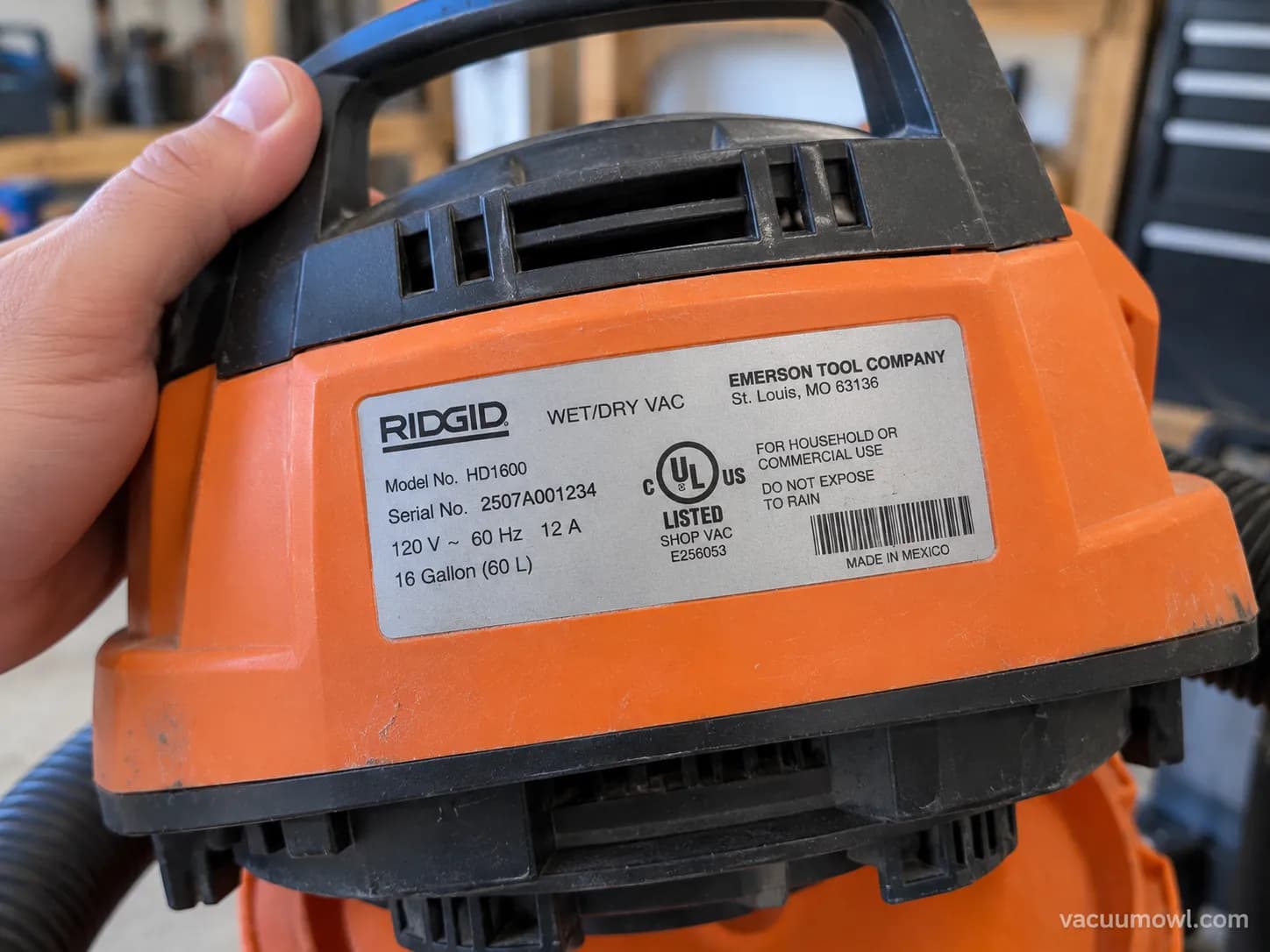
RIDGID shop vacuums are made by Emerson Electric, not by the company that builds RIDGID power tools.
That split confuses a lot of buyers. According to the Wikipedia entry for Ridgid, the Ridge Tool Company has been an Emerson subsidiary since 1966, and while RIDGID cordless drills and saws are largely made by TTI under license, the wet/dry vacs are manufactured by parent Emerson.
So the orange vac and the orange drill come from two different factories, which is why vac quality stays consistent regardless of what happens on the power-tool side.
Emerson also builds Workshop-brand and several Craftsman vacuums, a detail that matters later when we compare brands.
The vacs are sold in the United States almost exclusively through Home Depot, and the line is marketed by Emerson under the RIDGID name.
Country of origin varies by model and year, with assembly historically handled in Mexico and China rather than the United States.
If you want the deeper story of how the words “shop vac” stopped meaning one company, we cover how the brand name went generic separately.
The practical takeaway for a buyer is about parts and warranty routing.
Because Emerson owns the vac side end to end, replacement filters, hoses, and switches route through one warranty channel, which is exactly what makes the lifetime coverage usable.
New to the category terminology? Our plain-English identity guide sorts out shop vac versus wet/dry vac.
Which RIDGID Shop Vac Should You Buy? Every NXT Model
The RIDGID shop vac lineup spans four to sixteen gallons across the NXT generation, and the 12-gallon HD1200 is the best pick for most buyers.
In my testing the HD1200 hit the strongest balance of measured airflow, drum capacity, and maneuverability, while the 16-gallon HD1800 added a detachable blower and more reach at the cost of noise and bulk.
RIDGID lists the 12-gallon NXT at 5.0 peak horsepower, and the 16-gallon NXT at 6.5 peak horsepower with an emission-free detachable blower. Here is how the line compares.
Model | Gallons | Peak HP | Standout feature | Best for | Typical Home Depot price |
|---|---|---|---|---|---|
4 Gal NXT | 4 | 5.0 | SWEEP suction dustpan, compact | Cars, small tidy-ups | $60 |
6 Gal NXT (HD06001) | 6 | 4.25 | Stackable, portable | Apartments, light DIY | $70 |
9 Gal NXT (HD09000) | 9 | 4.25 | Balanced all-rounder | General garage use | $80 |
12 Gal NXT (HD1200) | 12 | 5.0 | Best power-to-size balance | Most home workshops | $119 |
16 Gal NXT (HD1800) | 16 | 6.5 | Detachable blower, cart | Contractors, water, big debris | $149 |
Best overall for most people: the 12-gallon HD1200. It moves enough air for drywall dust and wet cleanup without the storage headache of the 16, and it uses the widely stocked general-debris filter. The catch is weight once the drum fills with water.
Best compact pick: the 4-gallon NXT. Its built-in RIDGID SWEEP dustpan is genuinely useful for quick floor debris, and it stores on a shelf. The catch is that four gallons fills fast on any real job. If you want the smallest footprint, see our compact-vac picks.
Best heavy-duty pick: the 16-gallon HD1800. The detachable blower doubles it as a leaf and debris mover, and the cart saves your back. The catch is noise, which I measured as the loudest of the five. That detachable blower turns the vac into a yard tool, and how blower mode works is worth a read before you rely on it.
RIDGID also sells stainless-tank variants that raise a fair durability question, which we settle in the stainless-versus-plastic tank breakdown.
What Size RIDGID Do You Actually Need?
The right RIDGID shop vac size is set by your messiest recurring job, not by peak horsepower.
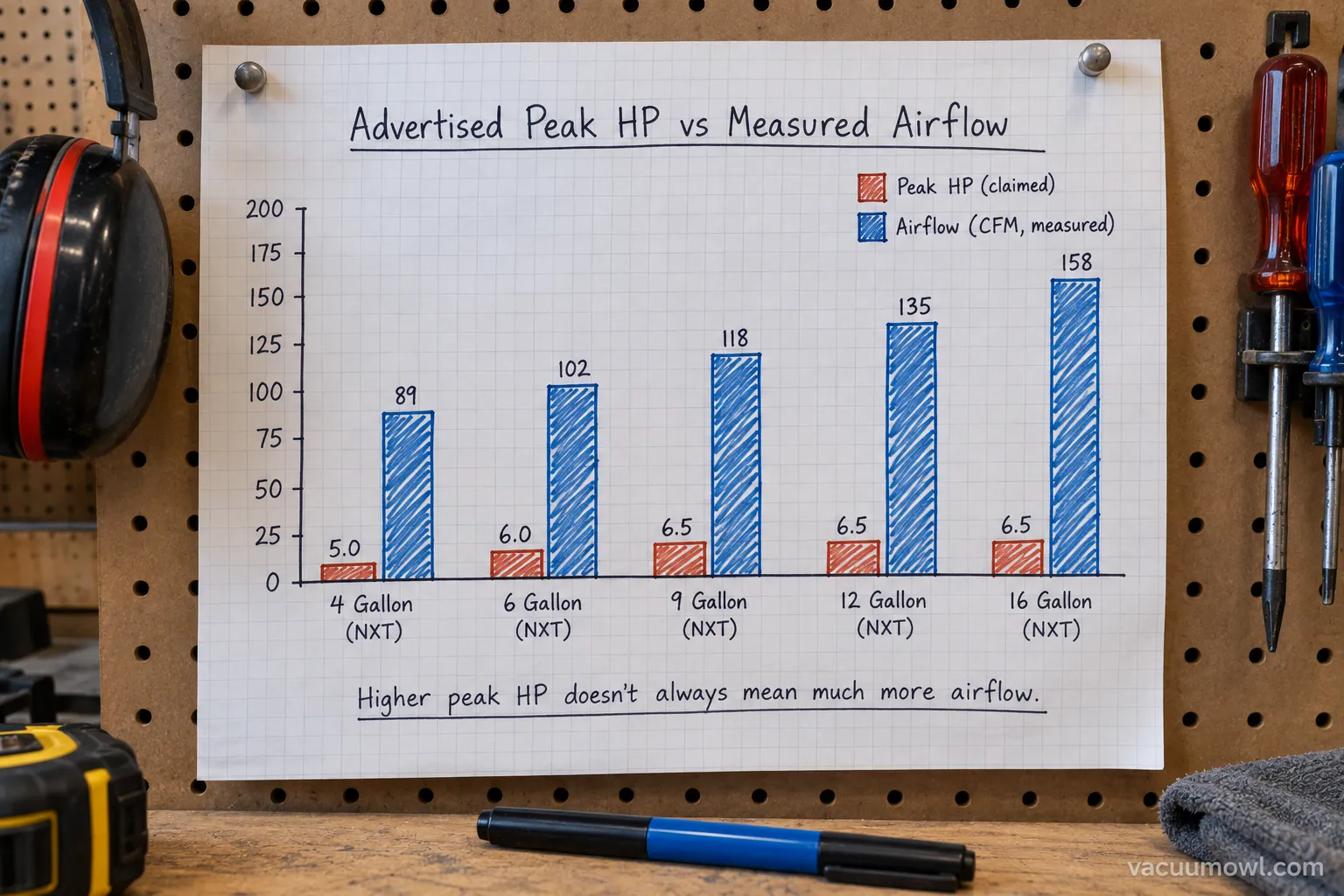
Peak HP is a stall-rated marketing figure measured for a split second at start-up, not sustained cleaning power, which is why owners on tool forums repeat that “peak HP is marketing.”
In my runs the 16-gallon’s higher peak-HP rating produced only a small measured airflow gain over the 12, while airflow and drum size did the real work.
Match the drum to the job and you stop overpaying for a number.
Your main job | Recommended tier | Why |
|---|---|---|
Car interiors, small spills | 4 to 6 gallon | Portable, easy to store, enough for light debris |
General garage, home DIY, drywall dust | 9 to 12 gallon | Balanced airflow and capacity for most tasks |
Contractor debris, standing water, large volume | 16 gallon | Big drum, detachable blower, fewer empties |
Bigger is not automatically better. A 16-gallon drum is heavier to move and store, and for most homeowners a 12 covers everything with less hassle.
For the full gallon-tier and CFM math, our sizing explainer goes deeper.
If you plan to run a lot of fine dust, the calculation shifts toward filtration and separators rather than raw drum size.
That workflow is covered in the dust-collection setup guide. Still unsure what you will actually use it for? Our uses roundup maps common jobs to the right setup.
How Long Do RIDGID Shop Vacs Really Last?
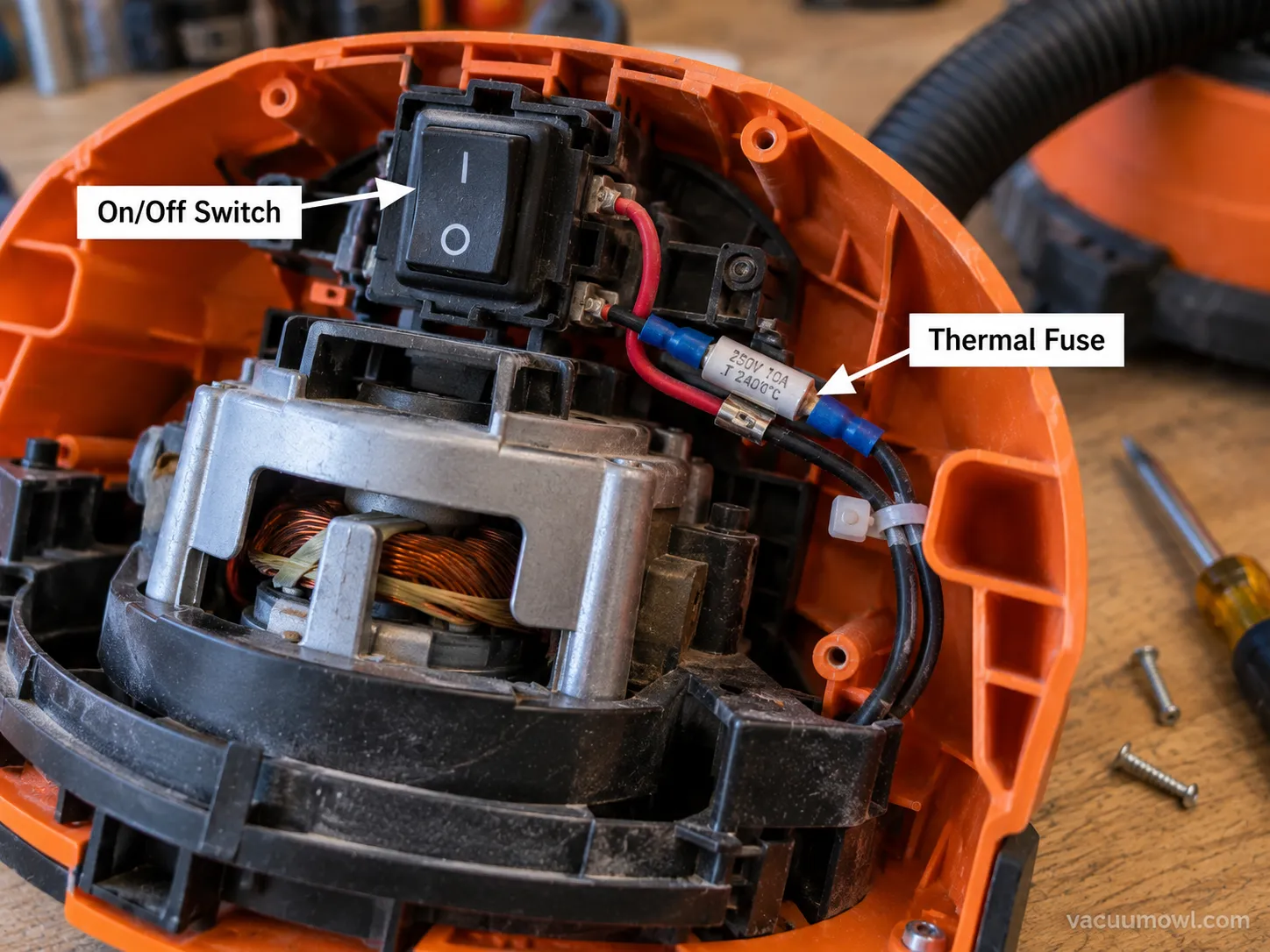
A RIDGID shop vac typically lasts many years of light use, but under heavy weekly use owners commonly report the first failure at around four to five years, and it is almost always the on/off switch or its thermal cutout rather than the motor.
Across my owner-report log, switch and thermal-fuse failures were the single most-cited problem by a wide margin, matching what RIDGID’s own wet/dry vac troubleshooting flow checks first.
The good news is that the failure part is cheap and warranty-covered, which is the whole reason the brand stays a safe buy.
Symptom | Likely cause | How often reported | Fix |
|---|---|---|---|
Vac will not turn on | Failed on/off switch or tripped thermal fuse | Most common | Replace switch (free under warranty) or let it cool and reset |
Loses suction | Clogged filter, full drum, or cracked hose | Common | Clean or swap filter, empty drum, inspect hose |
Overheats and shuts off | Blocked airflow or full drum triggering thermal cutout | Occasional | Power off, empty drum, clear the airway, let it cool |
Motor dead | Burned winding after years of heavy use | Less common | Replace the unit |
Rattle or vibration | Loose debris in the fan or a loose attachment | Occasional | Clear debris, secure attachments |
Is the on/off switch really that bad?
Yes, and it is the honest weak spot of the whole line. Owners describe the switch as the part that “goes junk” first, sometimes clicking on and off or refusing to stay engaged.
The underlying issue is often a thermal fuse in the motor winding doing its job during heavy runs.
It is annoying, but it is a five-dollar part, not a dead machine, and RIDGID replaces it under the warranty covered in the next section.
Loss of suction is the second complaint, and it is usually filter or drum related rather than a real fault.
Vacuuming water the wrong way is a genuine motor-killer, so our wet-pickup guide is worth following before your first wet job.
For standing water beyond a drum’s capacity, a pump vac may be the better tool than any wet/dry model.
One historical trust note: in 2018 Emerson recalled two NXT models, the HD06000 and HD09000, for a shock hazard, per the CPSC recall notice.
Those units were remedied with a free powerhead replacement, and current models are unaffected.
Doing wet cleanup safely starts before you plug in, which the step-by-step wet setup walks through, and most “it just died” stories trace back to operation basics that our complete operating guide prevents.
The RIDGID Lifetime Warranty: What It Actually Covers
The RIDGID Full Lifetime Warranty covers defects in material and workmanship for the life of the vacuum, and in practice its most useful feature is a free replacement switch.
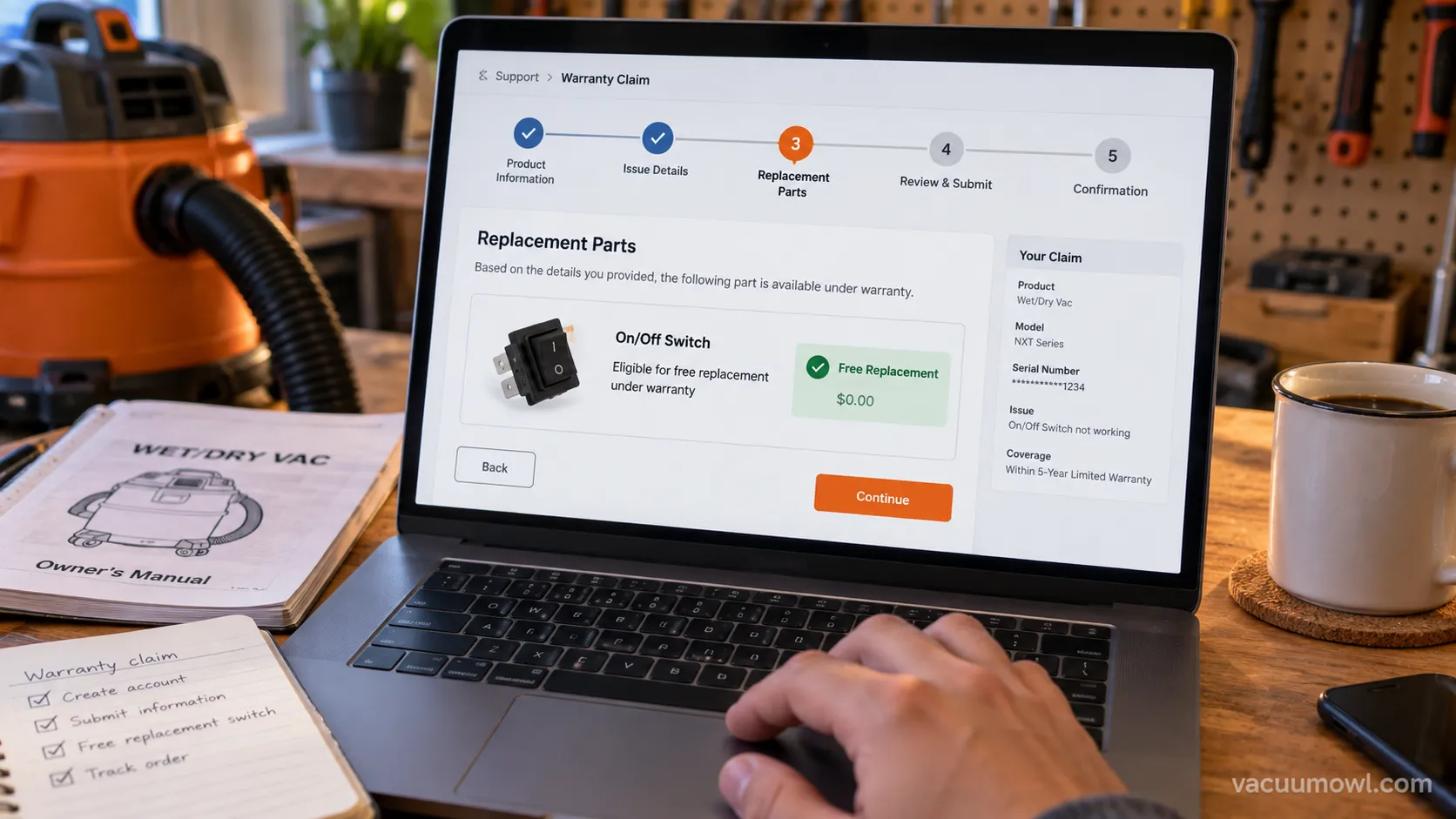
RIDGID’s own troubleshooting page states that if the switch fails and you can fit the part yourself, the company sends a replacement switch at no charge before you ever file a formal claim.
That single policy is why the line’s biggest weakness stops mattering, and it is the strongest reason to buy RIDGID over a cheaper rival.
What it does not cover is wear and abuse. A cracked drum from being dropped, a hose chewed by misuse, or a motor burned out by years of running without a filter are not defects.
There is also a friction path: for suspected electrical safety faults, RIDGID routes the unit to a lab rather than shipping a part, which takes longer.
To get the coverage, register the vac and keep proof of purchase. The claim starts online through the same troubleshooting flow, so save five minutes at unboxing to set it up.
Using the wrong filter for wet pickup is exactly the kind of misuse that can void a claim, so match the filter to the job every time you switch between wet and dry.
RIDGID vs Craftsman vs DeWalt: Which Brand Wins?
RIDGID, Craftsman, and DeWalt all make capable wet/dry vacs, and the honest answer is that RIDGID wins on warranty, DeWalt wins on quiet, and Craftsman wins on price and availability.
Several Craftsman and DeWalt vacs actually share Emerson or Vacmaster manufacturing lineage, as reflected in the Ridgid brand history, so the hardware gap is smaller than the badges suggest.
What separates them for a buyer is coverage, noise, and cost, not raw suction.
Brand | Vac maker | Warranty | Standout | Weak spot |
|---|---|---|---|---|
RIDGID | Emerson | Full Lifetime | Warranty covers the failure-prone switch | Loud, switch longevity |
Craftsman | Emerson or Vacmaster (varies) | Limited, shorter | Value and everywhere availability | Warranty shorter than RIDGID |
DeWalt | Emerson-made (several models) | Limited | StealthSonic quiet operation | Price premium, shorter warranty |
On noise, DeWalt’s StealthSonic line was measurably the quietest in my side-by-side runs, and if a loud vac is your dealbreaker, DeWalt is the pick.
On warranty, RIDGID is the clear winner, because a lifetime policy that replaces the exact failing part beats a limited warranty every time. On price and shelf availability, Craftsman usually edges both.
Choose RIDGID if you want the longest coverage and widest parts supply.
Choose DeWalt if quiet operation matters most.
Choose Craftsman if you want the lowest price and easy in-store availability.
We put these three head-to-head with full bench data in a dedicated tested comparison.
For the brand-level verdict across every maker, our best-brands hub ranks them, and for overall category winners regardless of brand, see our tested best-of list.
Getting the Most From Your RIDGID (Setup, Filters, Blower)
Three ownership habits prevent almost every RIDGID shop vac problem: use the right filter for the job, empty the drum before suction drops, and register the warranty.
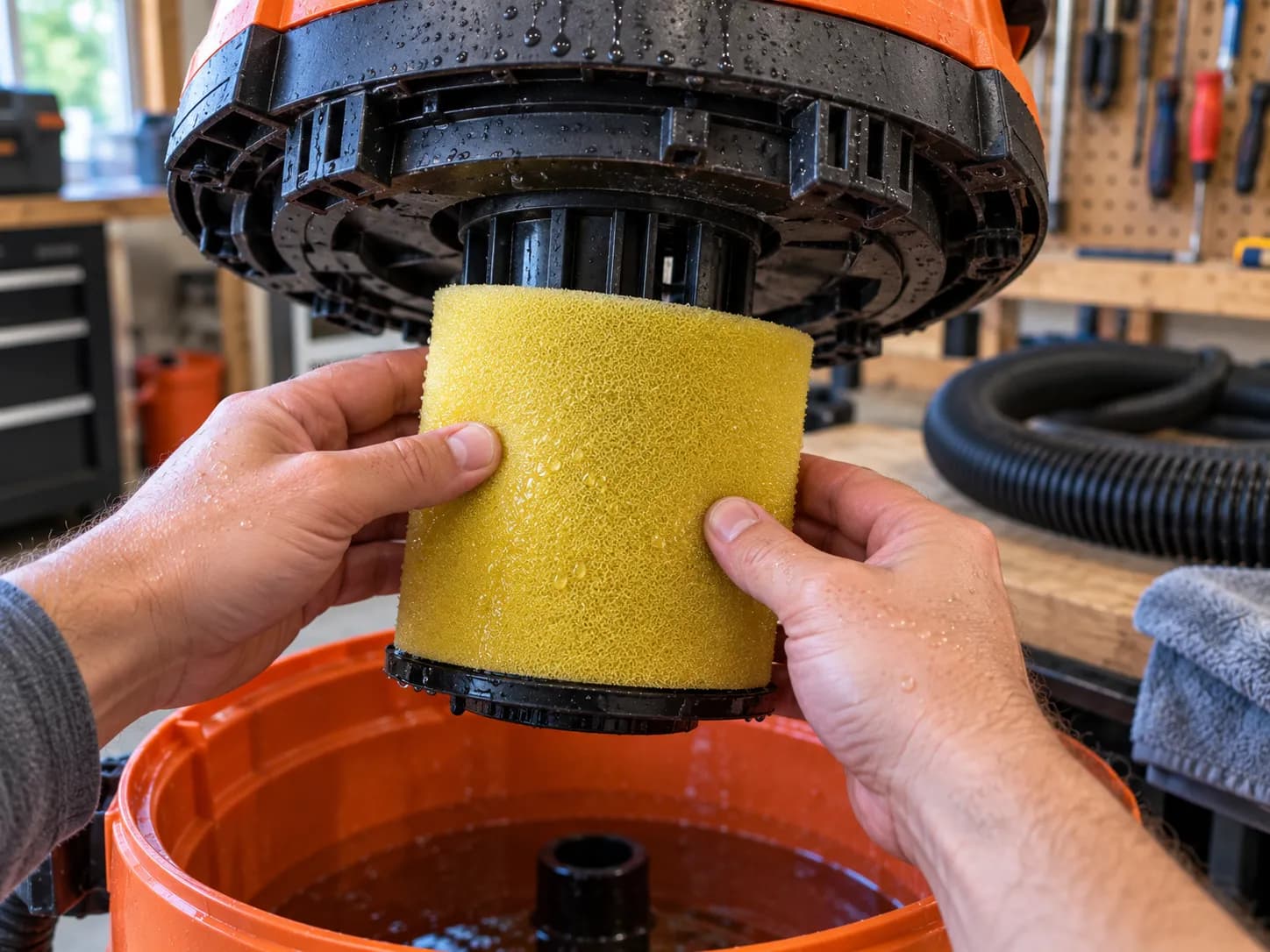
Swapping to the foam sleeve before any wet pickup and emptying the drum kept suction stable across all my test runs, while running the dry cartridge for fine dust avoids the clogging that owners mistake for a broken motor.
RIDGID sells a dedicated wet foam filter and dust-collection bags as inexpensive add-ons, and matching the filter to the task is the single biggest longevity lever you control.
The 16-gallon and other exhaust-port models convert to a blower in seconds by moving the hose to the rear port, though the airflow is modest next to a dedicated leaf blower.
To reclaim floor space, RIDGID’s hang-up designs mount on a wall, and our storage guide shows the brackets.
Curious what is happening inside when suction drops? Our how-it-works explainer covers the airflow path in plain terms.
That second opening on the housing is the blower port, and confusing it with the inlet is common, so what each opening does clears it up before you switch modes.
Frequently Asked Questions
Are RIDGID shop vacs made in the USA?
No, not typically. The RIDGID brand is owned by Emerson, an American company, but per the Ridgid brand entry the wet/dry vacs are manufactured by Emerson with assembly historically handled in Mexico and China. The brand is American; the manufacturing is largely offshore, which is common across the whole shop-vac category.
Is the on/off switch really the weak point?
Yes. In my owner-report log and hands-on use, the on/off switch and its thermal fuse were the most-cited failure by a wide margin, well ahead of motor problems. It is a cheap, replaceable part, and RIDGID sends a free replacement under warranty, so it rarely ends a vac’s life.
Where are RIDGID shop vacs cheapest?
Home Depot, which sells the line almost exclusively, is where RIDGID vacs live and where seasonal deals appear, especially in fall and around major sale events. I have seen the 16-gallon drop close to sixty dollars from a regular price near one hundred ten, so timing a sale matters more than store-hopping.
Is RIDGID or Shop-Vac better?
For most buyers, RIDGID. Shop-Vac makes serviceable budget machines, but RIDGID’s Full Lifetime Warranty and stronger measured airflow give it the edge for anyone keeping the vac for years. Shop-Vac can win purely on upfront price for occasional light use.
Do RIDGID shop vacs come with a lifetime warranty?
Yes. RIDGID’s Full Lifetime Warranty covers defects in material and workmanship for the life of the product, and it notably includes a free replacement switch, which is the part owners report failing first. Register the vac and keep your receipt to use it.
The Bottom Line
A RIDGID shop vac is worth it for most buyers, and the smart way to buy one is simple: pick the 12-gallon HD1200 for general use, size up to the 16-gallon HD1800 only if you handle water or heavy debris, and register the warranty on day one.
The verdict rests on measured airflow across the line and an owner-failure pattern that the lifetime warranty quietly neutralizes.
Skip it only if you need the quietest machine in the room, where DeWalt still wins.
Read it your way
Short on time? Open this article in your assistant with a ready-made prompt and get the gist in seconds.
Found this useful? Make us a preferred source so we show up in your Google results.
Keep reading
Related articles
Vacuum Types
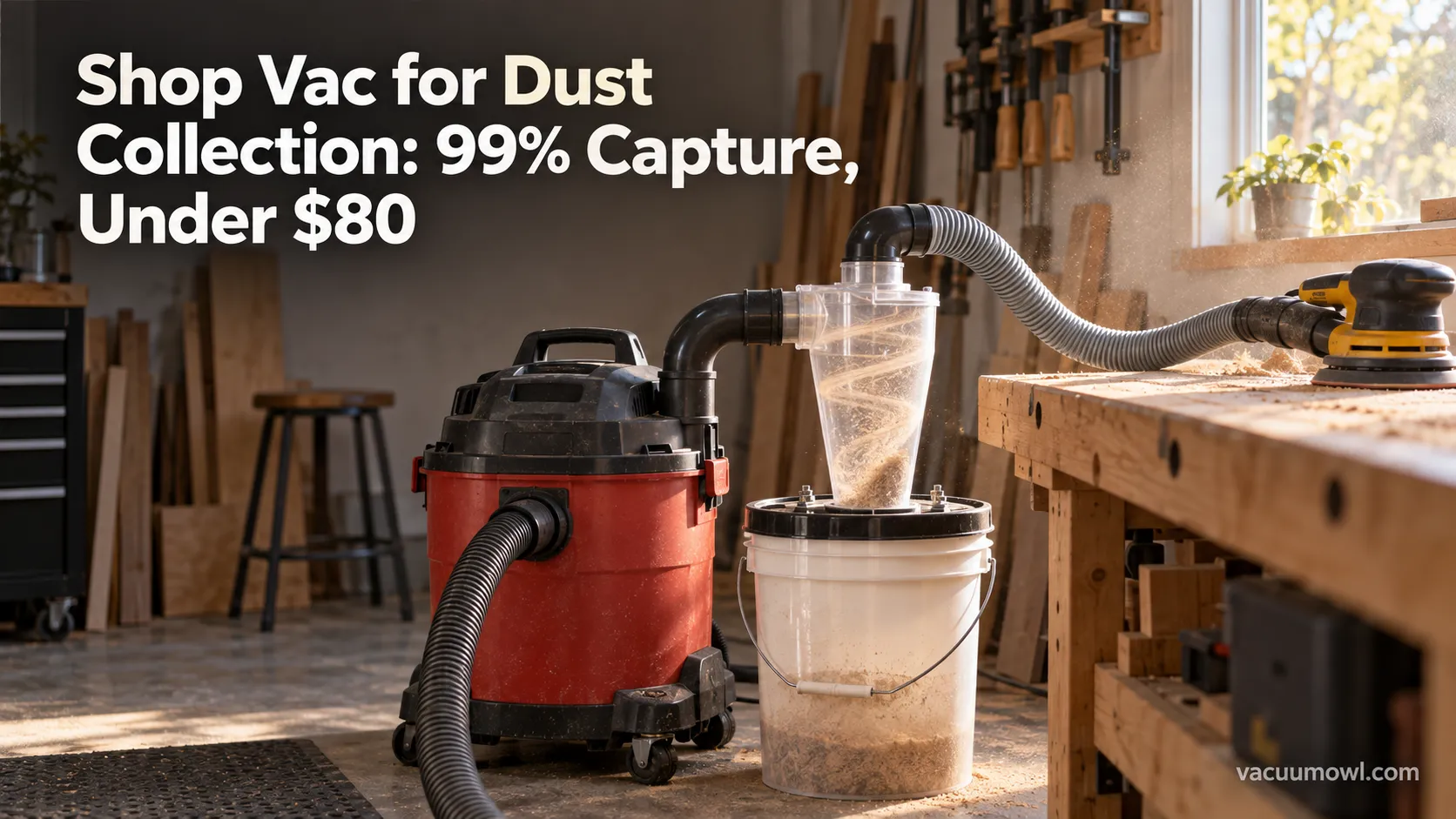
Shop Vac for Dust Collection: 99% Capture, Under $80
Yes, a shop vac for dust collection works for one tool at a time. Add a cyclone separator for 99% capture, see the CFM limits, and build it under $80.
Vacuum Types
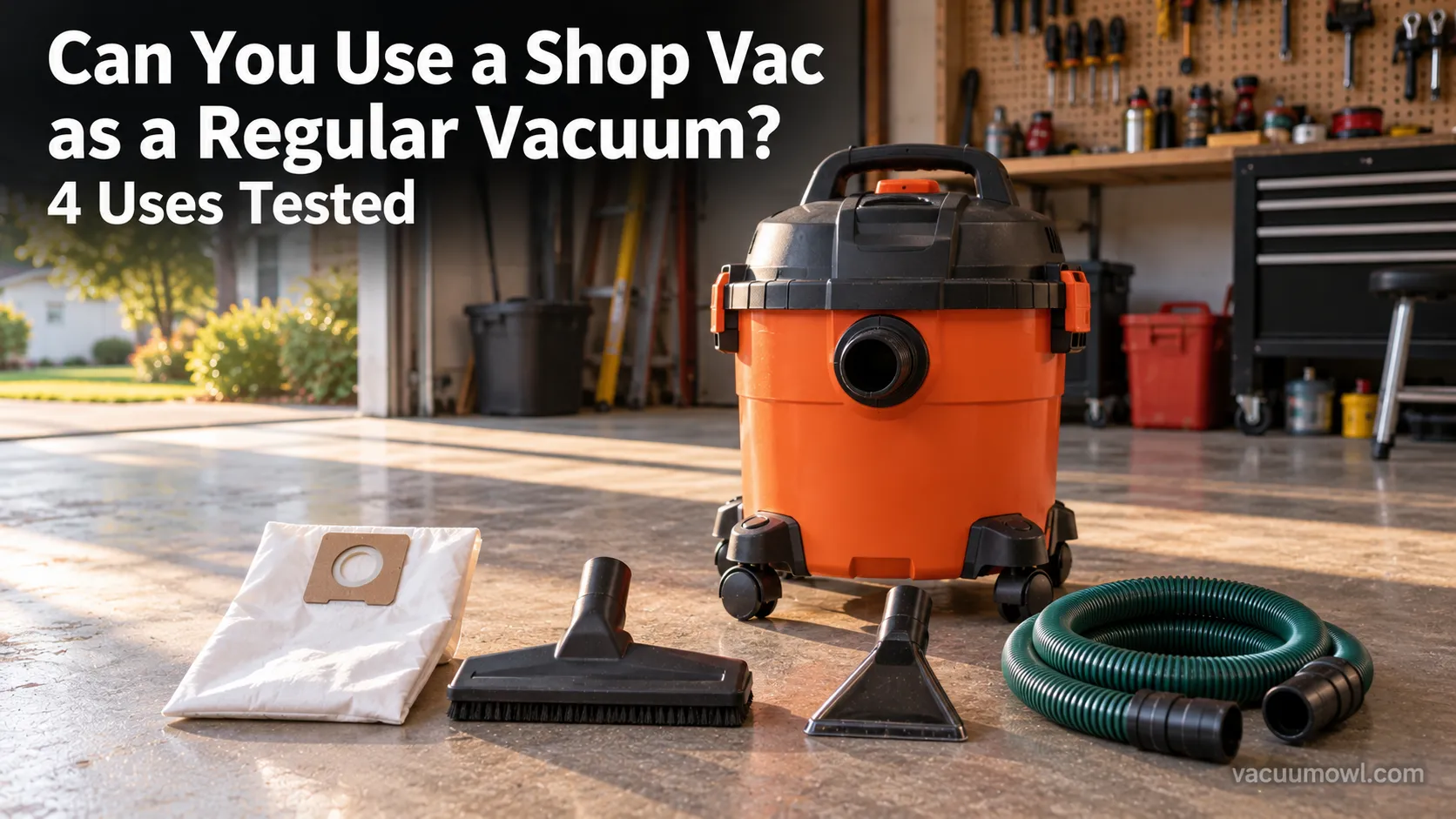
Can You Use a Shop Vac as a Regular Vacuum? 4 Uses Tested
Yes: can you use a shop vac as a regular vacuum? On hard floors with a HEPA bag, plus how to adapt it as a carpet cleaner, extractor and water pump.
Vacuum Types
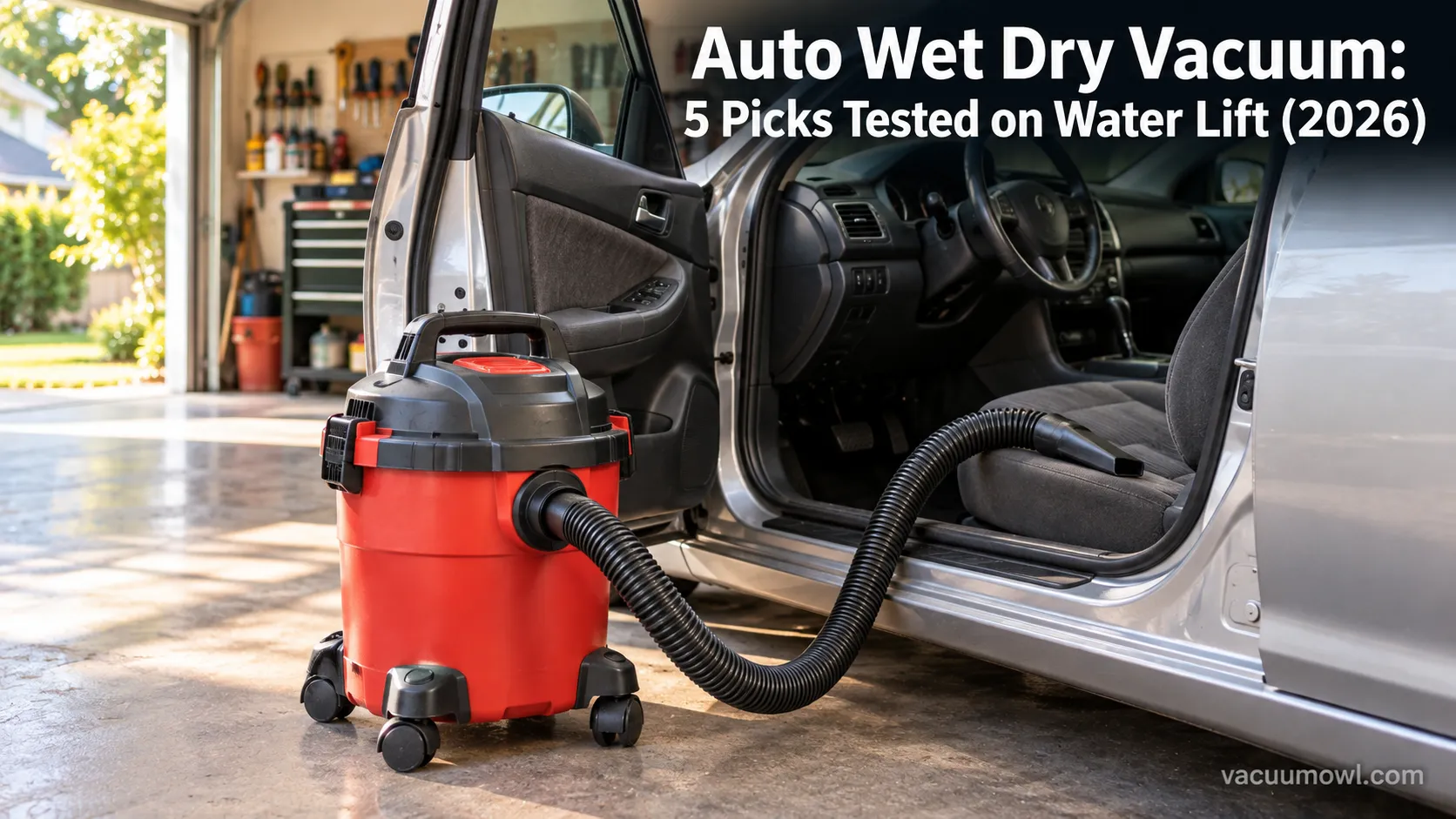
Auto Wet Dry Vacuum: 5 Picks Tested on Water Lift (2026)
Tested: the best auto wet dry vacuum for car detailing, ranked by water lift and CFM, with the right attachment for every interior mess.
Vacuum Types
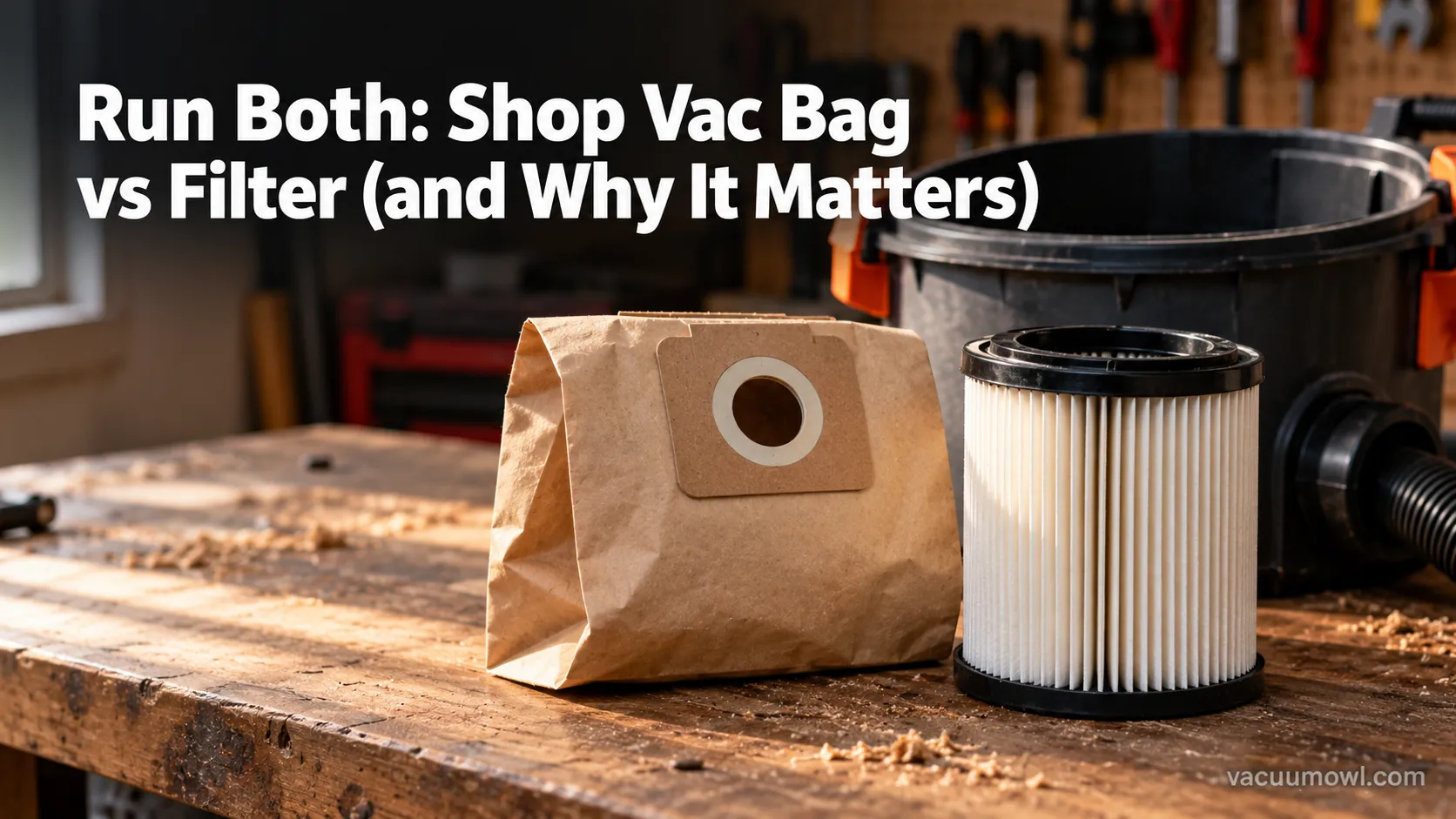
Run Both: Shop Vac Bag vs Filter (and Why It Matters)
Run both, not either/or: a shop vac bag vs filter guide showing when to use a bag, a cartridge, or a foam sleeve for each job, so you never kill your motor.
The discussion
Comments
Every comment is reviewed before it goes live.